The Truth About Safety in the GCC
Why the Gulf Is One of the World’s Safest Travel Destinations
I can’t tell you how many times someone has found out I live in Kuwait and immediately asked, “But is it safe there?” The concern is always written all over their faces, and I get it. The Middle East tends to get painted with one very broad, very misleading brush in Western media. People hear “Middle East” and their minds jump to conflict zones, war-torn cities, and dangerous conditions. But here’s what most people don’t realize: the Gulf Cooperation Council (GCC) countries which include the UAE, Qatar, Kuwait, Bahrain, Oman, and Saudi Arabia are actually some of the safest places in the entire world to travel.
And I’m not just saying that as someone who’s grown comfortable here. The data backs it up. But more importantly, my lived experience over the past few years has completely changed my perspective on what safety looks like in different parts of the world.
Let me share a story that perfectly illustrates what I mean. Last month, I was working at a coffee shop in Kuwait City. I had my laptop, my phone, and my wallet spread out on the table. When I needed to use the restroom, I did what I would never, ever do back in the United States, I left everything sitting there on the table and walked away. When I came back, everything was exactly where I’d left it. Not only had nobody taken anything, but a couple at the next table had actually kept an eye on my stuff for me without being asked.


This isn’t an isolated incident. I’ve left my phone on restaurant tables, my bag on chairs at the mall, and once even my entire backpack (with my laptop inside). Every single time, my belongings were either untouched when I returned or someone had turned them in to lost and found. This level of security and honesty is just part of the culture here, and it’s something that consistently surprises visitors from Western countries where leaving your stuff unattended is basically an invitation for theft.
GCC Countries Rank Among the World’s Safest
If you think my personal experiences are just anecdotal, let’s look at the actual data. According to the 2025 Safety Index released by Numbeo, the UAE ranked as the second safest country globally with a safety index score of 84.5, while Qatar came in third at 84.2. Oman secured fifth place with a score of 81.7, Saudi Arabia ranked 14th with 76.0, and Kuwait placed 38th at 67.2.
To put this in perspective, these rankings place GCC countries well above the United States, which typically hovers around the 50 range in global safety indices. The United Kingdom doesn’t fare much better. These two aren’t countries most Westerners would consider “dangerous” to visit, yet they rank significantly lower than the Gulf states in actual safety metrics.
What makes these numbers even more impressive is what they’re measuring. Safety indices don’t just look at violent crime rates. They consider factors like perceived safety walking alone at night, concerns about being robbed or assaulted, issues with drug-related crimes, and overall feelings of security. The GCC countries excel across all these categories.
Understanding Why the GCC Is So Safe
So what makes the Gulf region so remarkably safe? It’s not just one factor but a combination of cultural values, strict legal systems, and economic stability that create this secure environment.
First, there’s the cultural aspect. In the GCC countries, there’s a deeply ingrained respect for property and personal belongings that stems from Islamic values and traditional Arab hospitality. Stealing is considered not just illegal but deeply shameful, and this cultural attitude creates a powerful deterrent. The concept of honor and reputation carries significant weight in these societies, and being known as a thief would bring shame not just on an individual but on their entire family.
Second, the legal system in GCC countries is strict, and enforcement is consistent. Laws are taken seriously, and penalties for crimes can be severe. While this strictness sometimes gets criticized in Western media, the result is a society where people think twice before breaking the law. The certainty of consequences creates a genuine deterrent effect.
Finally, economic stability plays a role. The GCC countries have relatively low unemployment rates and strong social welfare systems for citizens. When people’s basic needs are met and they have opportunities for legitimate income, crime rates naturally decrease. Economic desperation, which drives much of the crime in other parts of the world, is less of a factor here.
The Middle East Isn’t a Monolith
Here’s the thing that frustrates me most about conversations around Middle Eastern safety. People treat the entire region as if it’s one homogeneous place. It’s not. The Middle East is incredibly diverse, spanning from Morocco in North Africa all the way to Iran, covering thousands of miles and dozens of countries with vastly different political situations, cultures, and safety records.
Yes, there are parts of the Middle East dealing with serious conflict and instability. Syria, Yemen, parts of Iraq are experiencing real humanitarian crises and dangerous conditions. These situations are tragic and serious. But lumping the UAE or Qatar in with active war zones because they’re all in the broadly defined “Middle East” makes about as much sense as saying Canada is dangerous because there’s violence in parts of Central America. They’re in the same hemisphere, but the comparison is meaningless.
The GCC countries have been stable for decades. They’re not involved in active conflicts, their governments are well-established, and their infrastructure is modern and well-maintained. When you’re walking through the gleaming malls of Dubai, the beautifully restored Souq Waqif in Doha, or the stunning Sheikh Zayed Grand Mosque in Abu Dhabi, it feels nothing like the images most people associate with “the Middle East” in their minds.


My Experience Living in Kuwait
I’ve now spent several years living in Kuwait, and my perspective on safety has fundamentally shifted. Before moving here, I grew up in the United States, where certain safety precautions were just second nature. I always locked my car immediately after getting in, I never left my purse on a shopping cart, and I certainly never left my phone unattended in public. These were basic safety measures everyone took for granted.
Living here has broken me of almost all those habits, not because I’ve become careless, but because they’re genuinely unnecessary. Women regularly leave their purses hanging on the backs of chairs at restaurants. People leave their cars running while they pop into a store (especially in the hot summer months when they want to keep the AC on). Kids play in malls unsupervised. These aren’t signs of naivety; they’re signs of living in a genuinely safe society.
I remember the first time I accidentally left my wallet on a table at a café and didn’t realize it until I got home. I was panicking, certain that by the time I drove back, it would be gone. But when I rushed back to the café, the waiter had put it aside and was clearly relieved to see me return for it. He seemed almost offended that I’d been worried about it, as if I’d insulted the integrity of his establishment by assuming someone might take it.
The funny thing is, after living here for a while, I’ve had to consciously remind myself to be more cautious when I travel to other countries. On a recent trip to back to the US, I caught myself leaving my phone on a café table when I went to the counter to order, and my husband had to remind me that we weren’t in Kuwait anymore. It’s become so normal to trust my surroundings that I have to actively switch back into “Western safety mode” when I leave the Gulf.


What This Means for Travelers
If you’re considering visiting the GCC countries but have safety concerns, let me put your mind at ease. These destinations are genuinely, statistically, and observably safe for tourists. In fact, in many ways, they’re safer than the countries most of us come from.
The UAE, particularly Dubai and Abu Dhabi, welcomes millions of tourists every year, and incidents involving tourists are incredibly rare. Qatar invested billions in infrastructure for the 2022 World Cup and has maintained those high standards for visitors. Oman is often called the “Switzerland of the Middle East” for its peaceful nature and stunning landscapes. Even Saudi Arabia, which only recently opened up to tourism, has proven to be remarkably safe and welcoming to visitors.
The most common “safety issues” tourists encounter in the GCC are things like:
- Getting lost (easily solved with Google Maps)
- Dealing with the heat in summer months (stay hydrated and plan indoor activities during peak hours)
- Adjusting to cultural norms around dress codes (cover shoulders and knees in most public places, especially in mosques)
- Language barriers (though English is widely spoken in tourist areas)
Notice what’s not on that list? Pickpocketing, mugging, assault, or theft. The crimes that plague tourists in major European cities, popular Asian destinations, and even American urban centers are virtually non-existent here.
Cultural Considerations Aren’t Safety Issues
Now, I want to address something important: cultural differences and safety concerns are not the same thing, though they often get conflated. Yes, the GCC countries have different cultural norms and legal frameworks than Western countries. Yes, there are laws around alcohol consumption, public displays of affection, and dress codes. Yes, certain groups’ rights are limited compared to many Western countries.
These are real considerations for travelers, and they’re worth researching and understanding before you visit. But they’re not safety issues in the sense that most people mean when they ask, “Is it safe to travel there?” You’re not going to get mugged, your belongings aren’t going to get stolen, and you’re not going to be randomly attacked walking down the street.
What you do need is cultural awareness and respect. Dress modestly, especially when visiting religious sites. Don’t drink alcohol in public (it’s only allowed in licensed hotels and restaurants in most GCC countries, and completely prohibited in Kuwait and Saudi Arabia). Be respectful of prayer times and religious customs. Follow the laws, even if they’re different from what you’re used to at home.
This isn’t about safety; it’s about being a respectful visitor. And honestly, these expectations are pretty reasonable. When tourists visit any country, they should make an effort to understand and respect local customs and laws. The GCC countries are no different in this regard.


The Bottom Line
The GCC countries are not just safe, they’re among the safest places in the world, backed up by both statistics and the lived experiences of millions of residents and visitors. The perception that the Gulf region is dangerous is based on outdated information, media bias, and the unfair lumping together of vastly different countries under the label “Middle East.”
If you’re considering visiting Dubai‘s incredible architecture, Qatar‘s walkable streets, Oman‘s stunning mountains and coastlines, Kuwait’s food scene, Bahrain‘s archaeological sites, or Saudi Arabia‘s emerging tourism destinations, don’t let safety concerns hold you back. These concerns, while understandable given media coverage of other parts of the Middle East, simply don’t reflect the reality of traveling in the GCC.

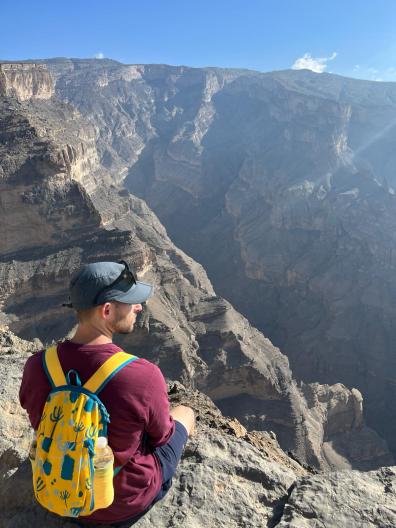

You’ll find modern infrastructure, welcoming hospitality, rich cultural experiences, and yes, remarkable safety. You’ll be able to explore these fascinating countries with the same peace of mind, or arguably more, than you’d have visiting Western Europe or North America.
The hardest part about safety in the GCC? It might actually be readjusting to being more cautious when you travel elsewhere. After spending time in one of the world’s safest regions, everywhere else might feel a little less secure by comparison. And honestly, that’s a pretty good problem to have.
Discover more from Penley Perspective
Subscribe to get the latest posts sent to your email.